A War Born of Euphoria
In March 2015, Riyadh launched Operation Decisive Storm with absolute confidence. The Saudi leadership expected a short air campaign. They believed an Arab coalition would crush the Houthi militia within weeks.
Riyadh possessed Western jets, precision missiles, and vast oil wealth. The goal was straightforward. They wanted to drive the Houthis out of Sanaa. They planned to restore President Abdrabbuh Mansur Hadi. They also sought to secure Saudi dominance over the southern border.
They were wrong. What was intended as a brief military demonstration turned into a decade-long quagmire.
The Blitz of 2015
On March 26, 2015, Saudi warplanes began bombing Houthi positions across northern Yemen. Ten nations joined the campaign, including the UAE, Kuwait, Bahrain, Sudan, and Egypt.
Saudi planners assumed airpower alone would break the Houthis. They expected northern Zaydi tribes to desert the movement once bombs fell.
However, airpower cannot hold ground. The Houthis had fought six previous wars against the Yemeni military in Saada. Instead of collapsing, Houthi forces dug into the terrain. They absorbed the strikes and consolidated their grip on Sanaa.
Riyadh also faced an immediate diplomatic setback. Pakistan declined to send ground troops. In April 2015, the Pakistani Parliament voted unanimously to maintain strict neutrality. Saudi Arabia had to rely on Sudanese troops and local Yemeni fighters for ground operations.
The Southern Push and Conflict in 2015-2017
By mid-2015, coalition forces drove the Houthis out of Aden and the southern coast. But when coalition forces pushed north toward Taiz and Marib, the front lines froze.
At the same time, deep fractures opened inside the coalition itself:
-
Saudi Arabia focused on its northern border. It sought to reinstall President Hadi through al-Islah, a Sunni Islamist political network.
-
The United Arab Emirates (UAE) held a different agenda. Abu Dhabi opposed al-Islah. Instead of backing Hadi, the UAE armed southern secessionist fighters. These fighters formed the Southern Transitional Council (STC).
While Saudi Arabia fought the Houthis in the north, the UAE built a proxy network in the south. The UAE sought to control key ports, islands, and sea lanes along the Bab el-Mandeb Strait. By 2017, two separate wars were being fought under one coalition banner.
Asymmetric Warfare of 2018-2020
By 2018, the coalition rift erupted into open combat. In Aden, UAE-backed STC forces fought troops loyal to President Hadi. They drove Hadi's ministers out of the southern capital. Saudi Arabia brokered the 2019 Riyadh Agreement to stop its own allies from fighting each other.
Meanwhile, the Houthis transformed their strategy. With technical assistance and components from Iran, they built a low-cost, long-range strike arsenal. They deployed kamikaze drones and ballistic missiles.
The Houthis turned the war into a punishing asymmetric contest:
-
The September 2019 Aramco Strikes: Houthi drones and cruise missiles struck major Saudi oil processing facilities at Abqaiq and Khurais. The attack temporarily knocked out half of Saudi oil production (over 5 million barrels per day). It exposed vulnerabilities in the kingdom's air defense network.
-
The Jabara Valley Ambush (August 2019): In Saada governorate, Houthi forces baited a Saudi-led brigade into a narrow mountain pass. They sealed both ends. Over four days, thousands of coalition-recruited fighters were trapped without food or ammunition. The pocket collapsed, resulting in hundreds of casualties and over 1,000 prisoners.
Saudi Arabia was firing million-dollar Patriot missiles to intercept $15,000 loitering drones. A kingdom seeking to project stability was taking regular fire across its own border.
The Marib Offensive without Exit (2021-Present)
In 2021, the Houthis launched a massive offensive against Marib. Marib was the government's last major stronghold in the north and the center of oil reserves. Coalition airstrikes halted the advance, but the government could not regain the initiative.
Riyadh shifted its priority from winning the war to negotiating an exit. In April 2022, the UN brokered a nationwide truce. President Hadi was removed from power during meetings in Riyadh. He was replaced by an eight-member Presidential Leadership Council (PLC).
Direct negotiations between Saudi officials and Houthi representatives began in Sanaa, bypassing the Yemeni government entirely. Riyadh no longer demanded Houthi disarmament. It sought security guarantees for its border in exchange for lifting economic restrictions.
The Human Toll of a Miscalculation
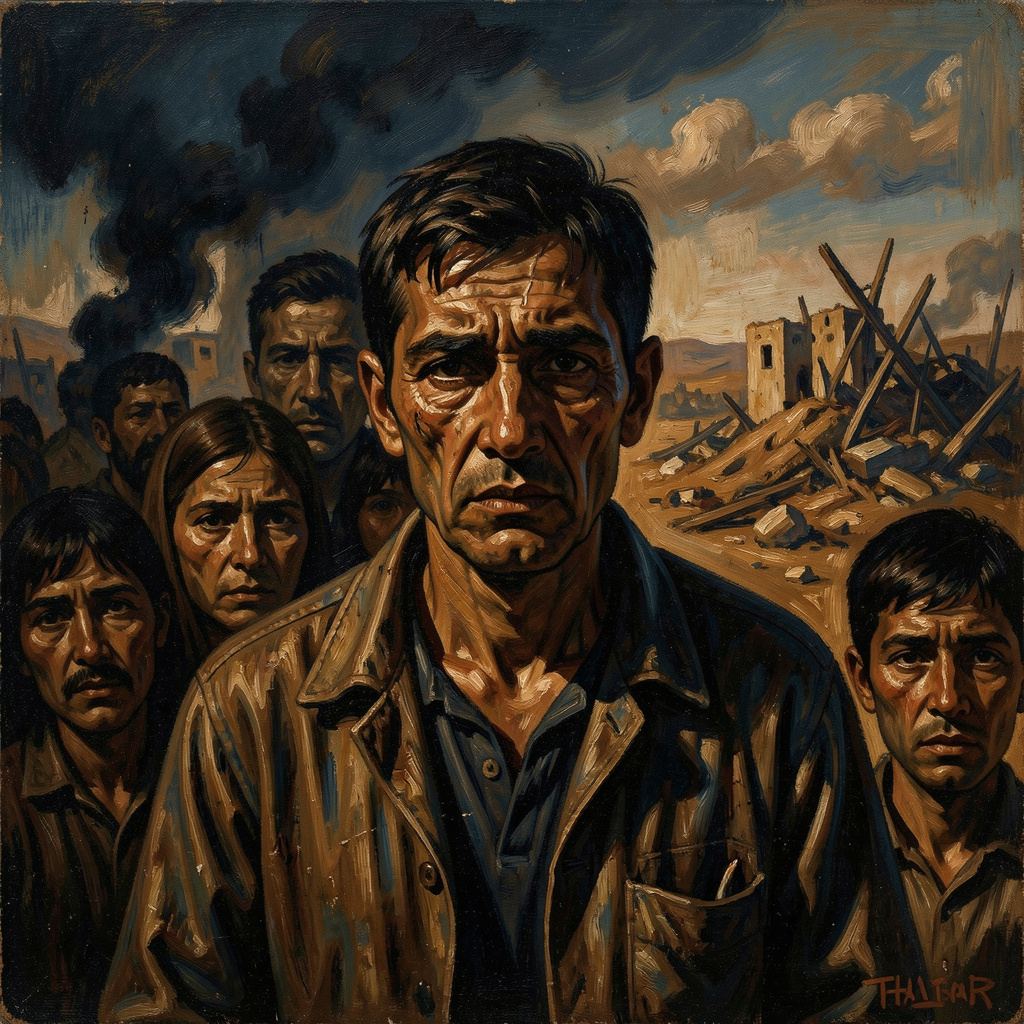
Ordinary Yemenis paid the price of war. Over 377,000 people have died as a direct or indirect result of the conflict. More than 150,000 died in active combat. The majority perished from hunger, lack of medical care, and preventable diseases. Between 2016 and 2021, cholera swept through Yemen, infecting over 2.5 million people.
War acts as a slap that forces a conversation that words could not begin. It is not a policy. It is not a solution. But Saudi Arabia used war as a substitute for the political engagement it refused to undertake in 2015. A hostile armed neighbor needed to be addressed through negotiation and economic integration. But that did not happen.
The coalition blockade on Hodeidah and air restrictions on Sanaa airport choked imports of food, fuel, and medicine. Yemen imports 90 percent of its food.
Riyadh's Operation Decisive Storm was not decisive and certainly not a storm. The war trickled on for over a decade.
Leave a Response