Western Epistemology Vs. Subcontinental Volatility
Western thinking cannot comprehend climate of India. A highly educated British friend once insisted my English was wrong when I call the weather of India as 'hot'. She claimed India was warm, as they call it. She presumed that it is not hot.
Then she visited India in July. It was not even June, when temperatures hit 46 to 48 degrees Celsius. Yet she admitted her complete ignorance immediately. India was indeed scorching hot. She realized her mistake after experiencing July humidity.
Recently USA’s Secretary of State Marco Rubio visited India from May 23–26, 2026 for four days. He was accompanied by his wife on a sightseeing tour of the Taj Mahal in that heat. The visit took place in 46-degree temperatures so Rubio could have a photograph at a monument. So far so good. But then Rubio opened his mouth and confessed his ignorance. “Although I’m from Miami, there is a humid hot and then there’s this hot,” said Rubio. “What time is it? It should be getting cooling off by now!” he was heard saying.
Similarly, western educated travelers arrive to India and its neighboring region completely clueless about physical reality. Rubio too could not update his knowledge with every resource in the world available to him.
Light a Morning Lamp
Lamp or light represent knowledge in the civilization of India. Foreigners often ask why people in India are so ritualistic. Millions light a lamp and pray every morning before a deity. This is called puja. Contrary to popular belief, it is not worshiping in the western sense. It is an expression of gratitude.
This practice stems from acute survival awareness. In this land, you must express gratitude to the weather and ask it politely to leave. Extreme summer heat gives way to rain. Rain becomes a furious monsoon torrent. We thank the rain and request the torrent to subside.
Then comes Sharad, a pleasant break followed by mosquitoes. Another request brings winter, where temperatures drop below 5 degrees Celsius. Finally, another request brings spring.
This cycle repeats endlessly.
The Epistemological Divide
This story illustrates a fundamental divide. Epistemology born in temperate maritime climates cannot grasp tropical monsoon scales until it hits the skin.
In Western Europe, nature is largely negotiable. Rain is a mild inconvenience requiring an umbrella. Rivers meander predictably through soft chalk plains. Seasons transition gently with mild temperature shifts. In that soft geography, words like warm or shower make sense.
When someone conditioned by that climate hears that India has rain, their mental model draws on a soggy English afternoon. They cannot conceive of an atmosphere that dumps 300 millimeters of water in six hours onto a steep mountain face. They cannot imagine 46°C heat turning room air into a convection oven.
The Six-Season Survival Calendar
Western backpackers arrive armed with university degrees, guidebooks, and travel apps. Yet they possess absolute ecological illiteracy. They view India and Nepal through a consumerist lens. They treat mountain ranges as picturesque backdrops for trekking and self-discovery.
They do not realize our six-season calendar (Ritu Chakra) was never abstract poetry. It was a precise survival calendar. When subcontinental residents light morning lamps and invoke elemental forces, it is not quaint superstition. It is ancient cultural recognition of human insignificance before massive thermodynamic power.
- The Reality of Force: Land demands deference. You do not conquer the monsoon; you accommodate it, retreat, and pray for safety.
- The Precision of the Cycle: Rapid shifts from Grishma (Summer) furnace heat to Varsha (Rain) torrents demand constant biological and psychological realignment.
- The Hubris of Modernity: Urban travelers assume nature is tame because their home institutions paved over it in a temperate climate. Now the nature is showing its fury in Europe too. This summer the Europe experienced 'hot' weather touching 36 degrees centigrade.
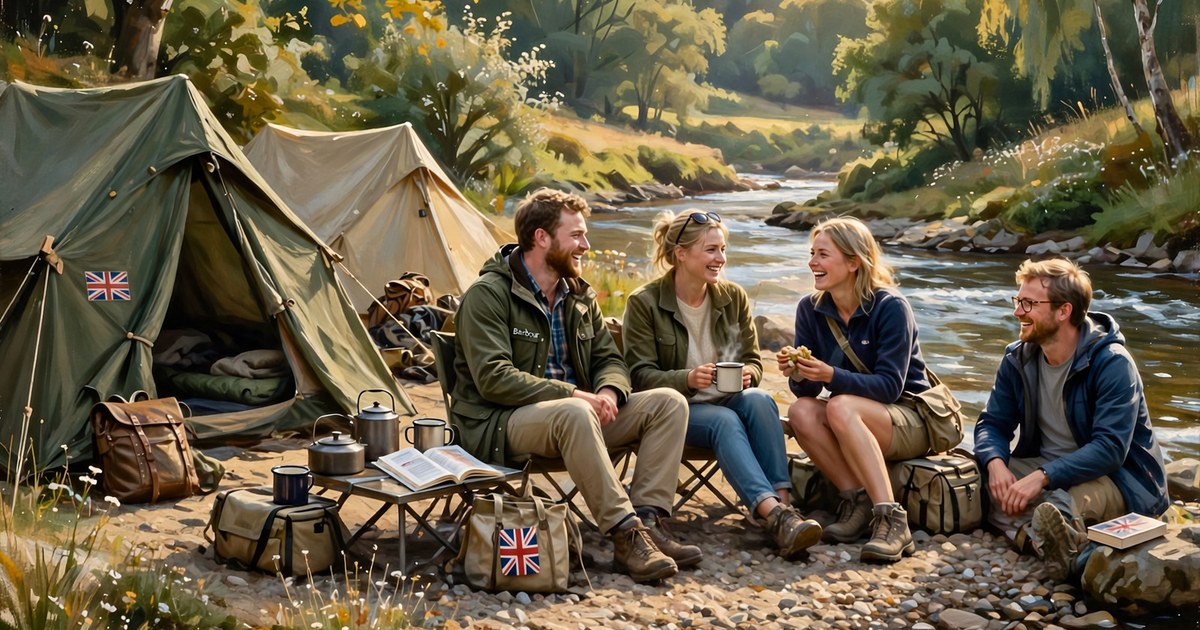
Foreign tourists who pitch tents in this continent on riverbanks bet their lives against a thermodynamic engine they cannot even name.
Leave a Response