Media Economy at Work
Good News is No News.
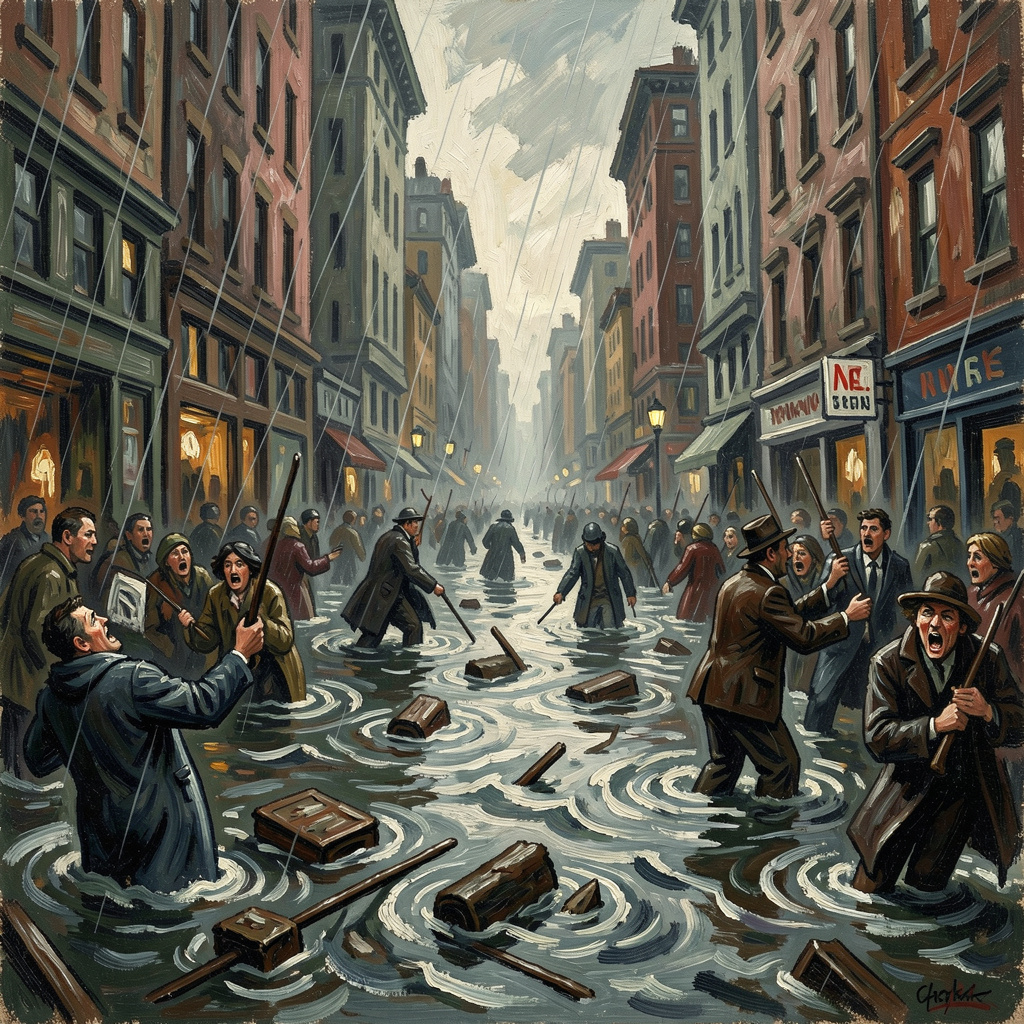
A thirty-second smartphone clip of a multi-story hotel toppling into a swollen river generates millions of views, algorithmic engagement, and ad revenue. Torrential rain wiping clean a slew of houses built on riverbanks looks like a Hollywood movie. It hooks people.
Construction of such buildings in the path of the river is lunacy. But nobody whispers it. Sensationalism is cheap to produce. Explanatory journalism requires domain literacy and field work.
If a media outlet frames a flood as a "sudden, unprecedented fury of nature," it offends nobody in power. It avoids naming the district town planner who approved the zoning on the riverbed. The contractor who cut the toe of the mountain without a retaining wall is safe. The politicians who own the riverside resorts are not accused of anything.
The tourists who ignored weather advisories or cared for nothing go missing as unfortunate beings.
The people writing the tickers and reading the teleprompters have spent their entire lives inside air-conditioned studios in cities on the plains. They do not understand slope angles, hydraulic gradients, or saturation lag. To them, water falling from the sky is just "rain," and when it accumulates, it is an inexplicable "tragedy."
Practical Wisdom vs. Media Sensationalism
An ordinary businessman friend of mine wanted a second summer home in the hills. Money was not his problem, but location was. He searched the terrain for nearly six years before buying land. He discovered a basic truth.
The safest place in the mountains is the top of a ridge. However, a ridge house needs an ecological water connection from a higher stream. Houses located below hills are dirt cheap, but they are never safe from water and landslides. An ordinary person with skin in the game figures this out without a civil engineering degree.
Does news media ever discuss these practical realities? Never.
Outlets broadcast viral collapse videos, generate cheap sensation, and wring their hands in fake disappointment. Journalism has abandoned empirical reality.
The Mechanism of Media Hypocrisy
This reporting failure is not passive ignorance. It is calculated narrative management and institutional hypocrisy. Senior news editors and reporters possess functional literacy. They check road closures along mountain highways. They instruct their own families to avoid hill travel until late October.
When cameras turn on, these same journalists smile and report record tourist footfalls. Privately, they mock foolish tourists who travel during monsoon storms.
This behavior functions as an editorial setup:
- Shielding Corrupt Institutions: Naming town planners who approved riverbank permits invites legal friction. Framing floods as acts of God shields corrupt officials and contractors from liability.
- Double Monetization: Media outlets monetize both halves of the disaster cycle. In June, they sell romantic mountain escapes. In August, they sell destruction videos of collapsing hotels.
- The Economy of Shock: Short video clips of buildings falling into torrents drive viral clicks. Technical breakdowns of slope stability do not trend on social algorithms.
Toxic Experts in Hydrology and Governance
Chapter 22 of Accidental Empire of USA outlines how toxic experts operate in economics. State hydrologists and urban planners function identically. Toxic experts fill positions across government, media, and academia.
They speak with confidence about technical details while ignoring glaring structural failures.
They defend broken zoning decisions because questioning authority threatens their professional careers. They raise no questions about construction carried out contrary to common sense. When experts fail, media outlets reframe disasters as unforeseeable disruptions.
When mountain developments collapse, hydrologists blame unprecedented nature. Reporters are supposed to interrogate these experts and demand historical high-water records. Instead, journalists act as an institutional protection racket.
They shield failed predictions, protect corrupt town planning authorities, and offload all risk onto uninformed citizens. They are complicit in disasters.
Restoring Accountability
The toxic media era persists because commercial outlets face zero liability for bad reporting. People are glued to their televisions watching the same clip over and over again. It embolden the media. Views are their strength. Do not strengthen them.
Real accountability begins when citizens stop deferring to credentials. We must evaluate experts on practical outcomes rather than institutional authority.
When ordinary people use common sense and empirical observation, narrative shields collapse permanently.
Trust your judgment and common sense. Do not waste your time on media narratives.
Leave a Response