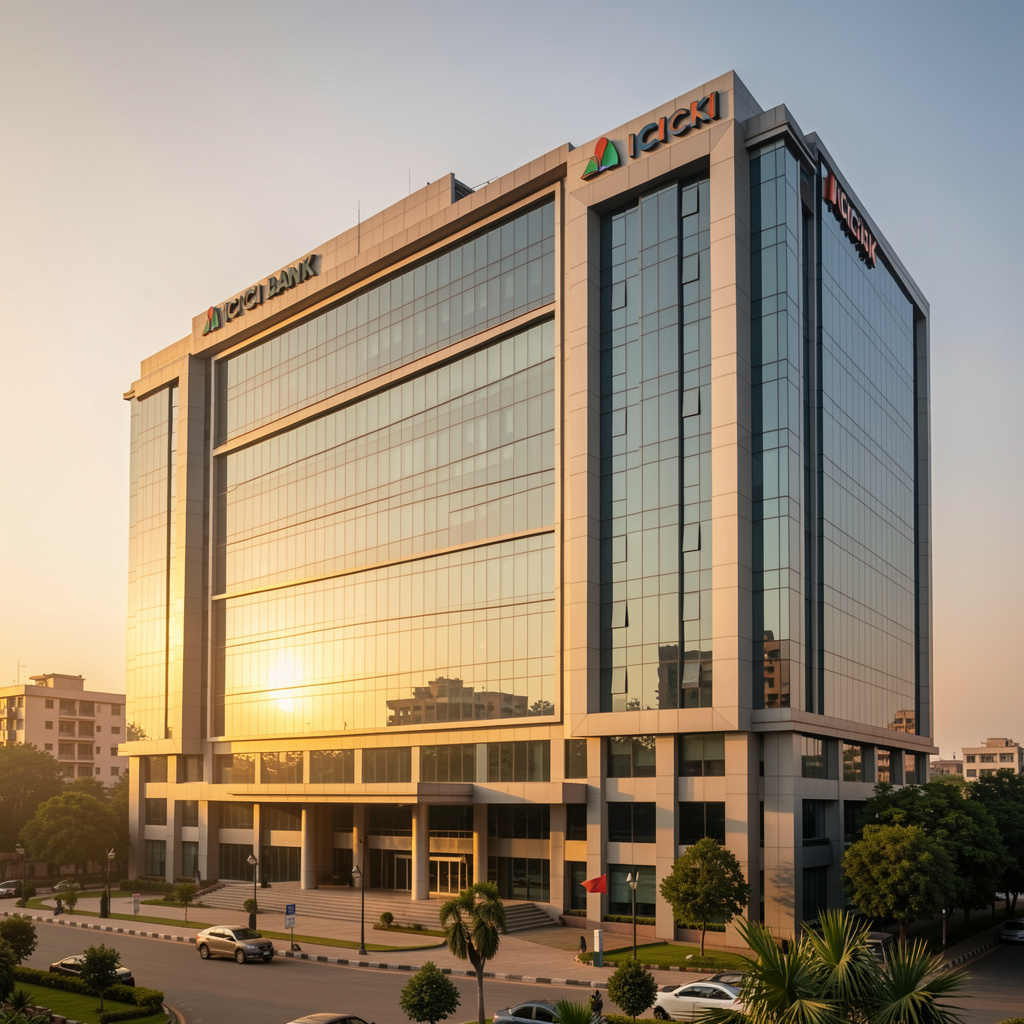
Is India in Governance Crises? (Chapter 17)
In the previous chapter, we examined IDBI Bank. We saw how a state development lender failed. It wiped out losses through retail spreads. Eventually, the state sold it to Fairfax.
Now look at its twin: ICICI Bank.
Many people think ICICI was always a sleek, modern private bank. That is a myth. Like IDBI, ICICI was born as an investment bank and Development Financial Institution (DFI). It was set up in 1955 by the World Bank, the Government of India, and industry leaders. Its mandate was to fund long-term industrial projects.
That industrial lending experiment failed just as badly. By the 1990s, ICICI was buried under bad corporate loans.
The Deep Discount Bond Bait
When cheap state funds vanished after 1991, ICICI needed cash urgently. It turned to the Indian middle class.
In the mid-1990s, it launched high-profile Deep Discount Bonds and Safety Bonds. The pitch was irresistible to ordinary families. You invested a small sum, such as Rs 2,700 or Rs 5,200. In return, the bank promised you a massive payout. It promised Rs 1,00,000 (one lakh) or Rs 2,00,000 after 21 to 25 years.
Millions of citizens bought these bonds. Parents bought them for their children's college education. Salaried workers bought them for retirement security. The public trusted the institution with their life savings.
Then came the betrayal.
A few years later, interest rates across India began to drop. ICICI realized it was locked into paying high compounding yields. So, it quietly invoked a fine-print "call option". It redeemed the bonds prematurely.
Instead of the promised one lakh, the bank paid out a fraction. It returned ten or twelve thousand rupees and stopped paying further interest. Millions of retail investors were robbed of the promised compounding. Many investors never even received the notices. Decades later, their unpaid money lies trapped in government IEPF accounts.
The Virtual Robbery of the Retail Customer
That bond trick was just the preview. Once ICICI merged into a commercial bank in 2002, retail extraction became its core model. Today, ICICI Bank operates what can only be described as a virtual robbery of the retail customer.
The math is brutal. The bank takes public savings at a miserable 2.7% to 3.5%. Fixed deposits earn around 6.5%. But when that same customer needs credit, the screws turn immediately:
-
Home loans are charged at 9% to 10.5%.
-
Personal loans run up to 16% or 18%.
-
Credit cards charge an eye-watering 36% to 42% interest per year.
The extraction does not stop at interest spreads. The bank charges penalties at every corner. There are minimum balance penalties, SMS alert fees, debit card renewal charges, and cash handling fees. Customers face endless pushy sales calls flogging toxic insurance and mutual funds.
It is an extraordinary money-extracting machine.
Comparable to State Bank of India
In terms of scale and systemic presence, ICICI has grown into a colossus. It is so huge that it is comparable only to the State Bank of India (SBI). The Reserve Bank of India officially classifies both as Domestic Systemically Important Banks (D-SIBs). They are institutions deemed "too big to fail".
Yet in terms of customer service, ICICI often delivers the worst experience.
Despite glossy marketing and expensive celebrity ads, dealing with the bank is an ordeal. Branch staff are trained for aggressive cross-selling rather than helping customers. Complaints disappear into automated call-center loops. Grievances drag on for months. Small depositors are treated with cold indifference.
Why does it continue to grow despite terrible customer service?
Because of its sheer presence. ICICI has branches in every commercial center. Its ATMs are on every busy street. Corporate employers mandate its salary accounts. Its digital payment gateways are everywhere. Citizens do not bank with ICICI because they love it. They bank with it because its presence is formidable and inescapable. ICICI Bank is everywhere.
The Taint of Chanda Kochhar
ICICI Bank is also an example of corporate corruption at the highest level. It is an example of the arrogance of the corporate governance.
Under former CEO Chanda Kochhar, ICICI drifted back into shady corporate deal making. The bank lent thousands of crores to favored corporate houses, including the Videocon group. In return, Kochhar's husband received financial kickbacks and sweetheart deals.
When the scandal broke, the ICICI board acted with disgraceful complicity. In 2018, the board initially gave Kochhar a full clean chit. They defended her conduct and dismissed allegations. Only when the Justice Srikrishna committee confirmed the gross misconduct was she sacked.
CBI FIRs, Enforcement Directorate attachments, and criminal trials followed. The bank was exposed as a tainted entity. The public is still awaiting the final verdict.
Why ICICI Is Next
Today, ICICI generates over Rs 40,000 crore in annual profit. Its bad loans are buried.
Yet no global investor will buy a controlling stake right now. No international giant will touch an entity with active criminal trials hanging over its former leadership. The legal taint protects it from immediate takeover.
Once the courts finally conclude the Kochhar cases, that legal cloud will lift. The institution will stand decontaminated.
ICICI has no controlling promoter. It is owned almost entirely by institutional funds. When the legal slate is clean, this profit engine will be the next prime target.
The tragic reality of Indian banking remains unchanged. The citizen is trapped between state incompetence ruthless retail extraction at banks like IDBI and ICICI. Both were rescued by public savings. Both grew on extortionate retail spreads. And both prove that in India, governance fails from the very top.
Disclaimer
1. Me or my family may have subscribed to deep discount bonds.
2. Many of my friends and family members have regular banking with ICICI Bank as customers.
Leave a Response